What is meningitis B? Symptoms, vaccine and what to avoid after two die in Kent
From reproductive rights to climate change to Big Tech, The Independent is on the ground when the story is developing. Whether it's investigating the financials of Elon Musk's pro-Trump PAC or producing our latest documentary, 'The A Word', which shines a light on the American women fighting for reproductive rights, we know how important it is to parse out the facts from the messaging.
At such a critical moment in US history, we need reporters on the ground. Your donation allows us to keep sending journalists to speak to both sides of the story.
The Independent is trusted by Americans across the entire political spectrum. And unlike many other quality news outlets, we choose not to lock Americans out of our reporting and analysis with paywalls. We believe quality journalism should be available to everyone, paid for by those who can afford it.
Your support makes all the difference.
Two people have died following an outbreak of invasive meningitis in Kent, as hundreds of people are being urged to get antibiotics to stop the spread of the infection.
Some of the cases have been confirmed as meningitis B. The UK Health Security Agency (UKHSA), which is investigating the outbreak, said it would confirm the strain seen in other cases “when we have the full results”.
The majority of young people born before 2015 are not protected against meningitis B, also known as menB, unless they have had the jab privately, with it only introduced on the NHS for babies in 2015.
Hundreds of people who visited Club Chemistry in Canterbury on 5, 6 or 7 March have been told to come forward for preventative antibiotic treatment as a “precautionary measure”.
People are being advised to be vigilant for symptoms amid a warning that university students are particularly susceptible to the deadly infection.
Here are the symptoms of meningitis and what to do if you suspect you have the infection, according to the NHS.
What is meningitis?
Meningitis is an infection of the meninges, the protective membranes that surround the brain and spinal cord.
Meningitis affects around 2.3 million people globally every year. It’s estimated that up to one in every 10 cases of bacterial meningitis is fatal, according to the NHS.

The UKHSA and the NHS are arranging antibiotics for some students at the University of Kent (Alamy/PA)
Although anyone can get meningitis, it is more common in babies, children, teenagers and young adults.
What are the symptoms of meningitis?
Early warning signs of meningitis include a high temperature, headache, vomiting, diarrhoea, muscle pain and stomach cramps.
As the condition develops, it can make people drowsy, irritable and confused, as well as cause severe muscle pain, pale, blotchy skin, spots or a rash, stiff neck, an aversion to bright lights and convulsions or seizures.
Meningitis Now urges people not to wait until someone develops a rash and to seek medical help if someone is ill and displaying these symptoms.
What causes meningitis?
There are many different causes of meningitis, including viruses, bacteria and fungi. However, in the UK, viruses and bacteria are the most common causes.
Other causes of meningitis include some medicines or brain tumours. It can also occur following a skull fracture or head and neck surgery, according to Meningitis Now.
Bacterial meningitis is rarer but more serious than viral meningitis.

A headache and high temperature can be symptoms of meningitis (Getty/iStock)
What are the different strains?
There are five main strains that cause the disease in the UK.
MenB is the most common and also the deadliest. Health officials have said that at least some cases of meningitis seen in Kent have been confirmed as meningitis B.
Other strains include MenA, MenC, MenW and MenY, which are also caused by bacteria.
What is meningitis B?
Meningitis B is a serious bacterial infection, which is caused by Neisseria meningitidis group B bacteria.
It can lead to severe illness, including meningitis, which is an infection in the brain and spinal cord, blood poisoning, and sepsis, a life-threatening reaction to an infection.
MenB, the most common cause of bacterial meningitis in the UK, is responsible for around nine in 10 of meningococcal infections in the country, according to Public Health Wales.
It is one of the most aggressive and dangerous strains of meningitis, causing the majority of meningococcal cases and deaths in the UK.
How does meningitis spread?
Infections that cause meningitis can be spread through coughing, sneezing or kissing.
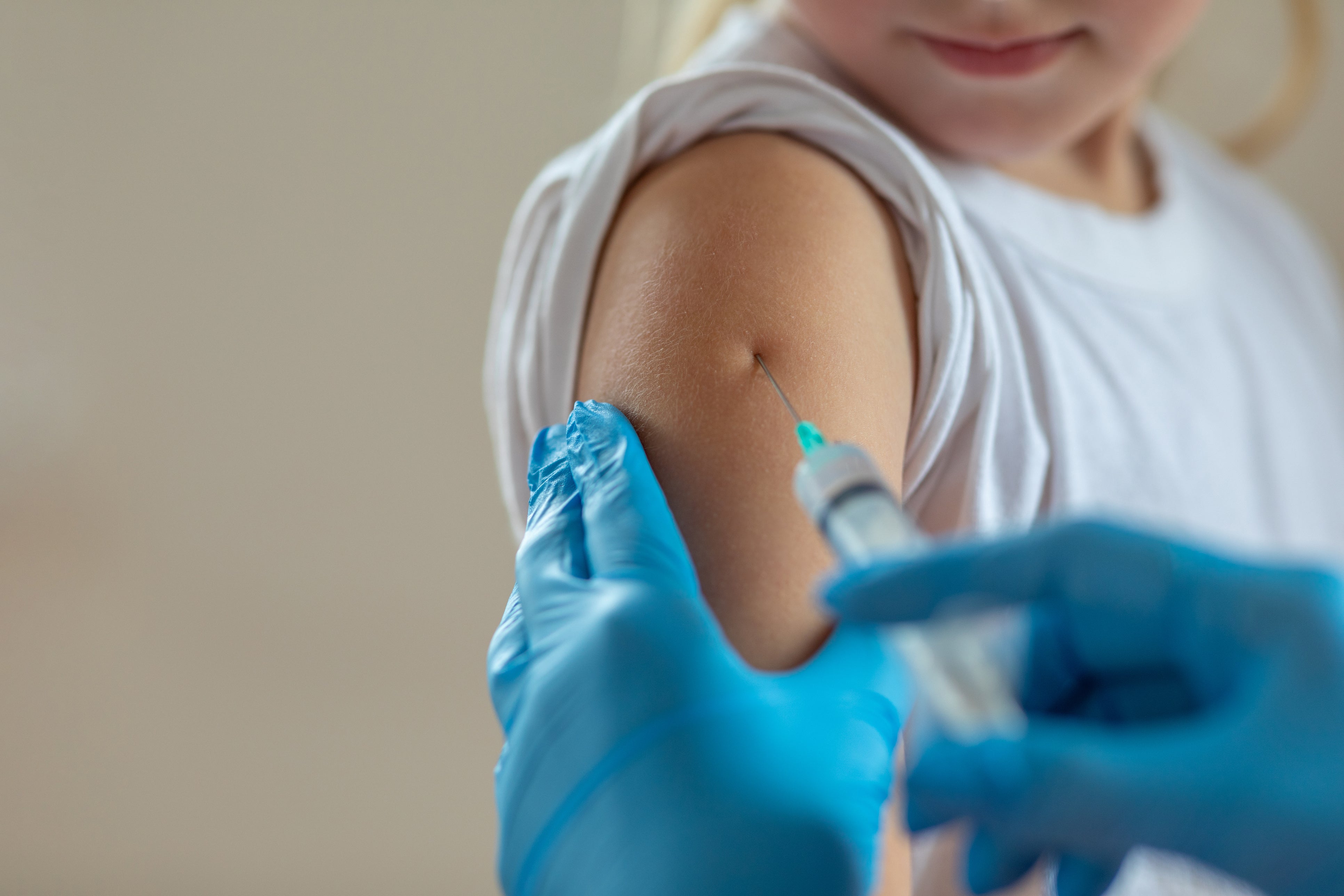
Any young person who has missed this vaccine at school remains eligible to receive it up to the age of 25 (Getty/iStock)
It is usually caught from those who carry the viruses or bacteria in their nose or throat, or from someone with meningitis, although this is less common.
How serious is meningitis?
If it is not treated quickly, it can lead to sepsis, brain or nerve damage, hearing loss or even death.
Some with bacterial meningitis can be left with hearing or vision loss, problems with memory, fits or loss of limbs, even after being treated.
Can meningitis be treated?
Those with viral meningitis will usually get better on their own.
Most people with bacterial meningitis who are treated quickly will also make a full recovery. However, it usually needs to be treated in hospital for at least a week.
Treatments include antibiotics and fluids given directly into a vein or oxygen through a face mask.
Are there vaccines for meningitis?
There are vaccines available to prevent some types of meningitis, which are available as part of the UK routine immunisation schedule.
Vaccines include the menB, six-in-one, pneumococcal and MMRV vaccines for babies and children, while the MenACWY jabs are offered to teenagers, sixth-form students and new university students.
The menB vaccine is now offered to babies at two, three and 12 months.
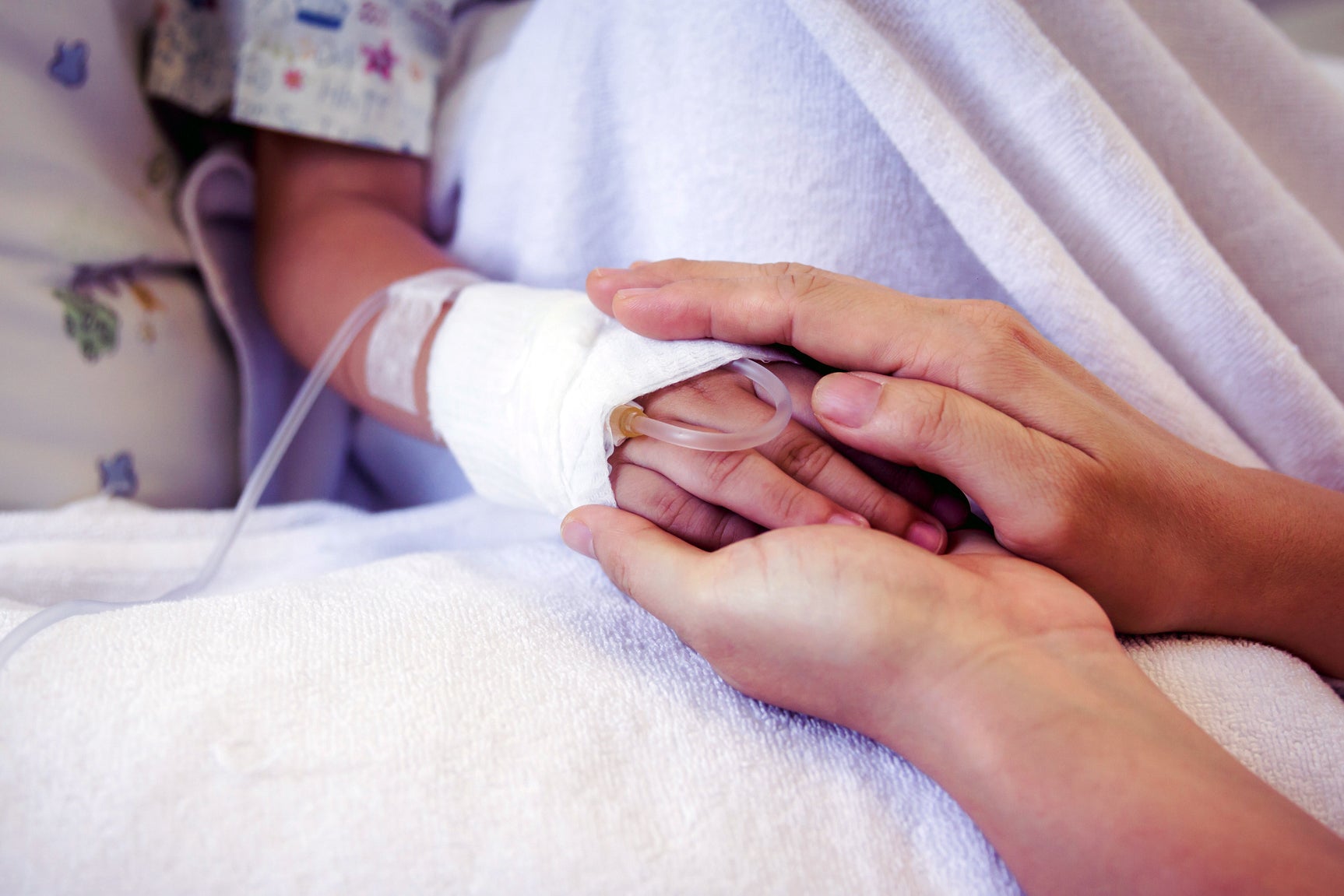
At least a week of hospital treatment is usually needed to treat bacterial meningitis (Getty/iStock)
Men W disease has historically been rare in the UK, but from 2009, cases of MenW began to increase year on year. From autumn 2015, a MenACWY vaccine replaced the MenC vaccine for children in school and is offered at around 14 years of age.
Any young person who has missed this vaccine at school remains eligible to receive it up to the age of 25. This is especially important for new university entrants, for whom the risk of contracting meningococcal disease increases.
A former health minister said the government should consider a “catch-up” vaccination campaign for young people.
Speaking of the latest outbreak on Tuesday, Helen Whately, Conservative MP for Faversham and Mid Kent, told Times Radio: “One of the things that the government (and) UKHSA will need to look at is if there is now a greater risk around this outbreak – and in future should there be some kind of vaccination catch-up for that group.”
What should you do if you think you have meningitis?
The NHS recommends that people call 999 for an ambulance or go to their nearest A&E. People are advised to trust their instincts, as someone with meningitis or sepsis can get a lot worse very quickly.